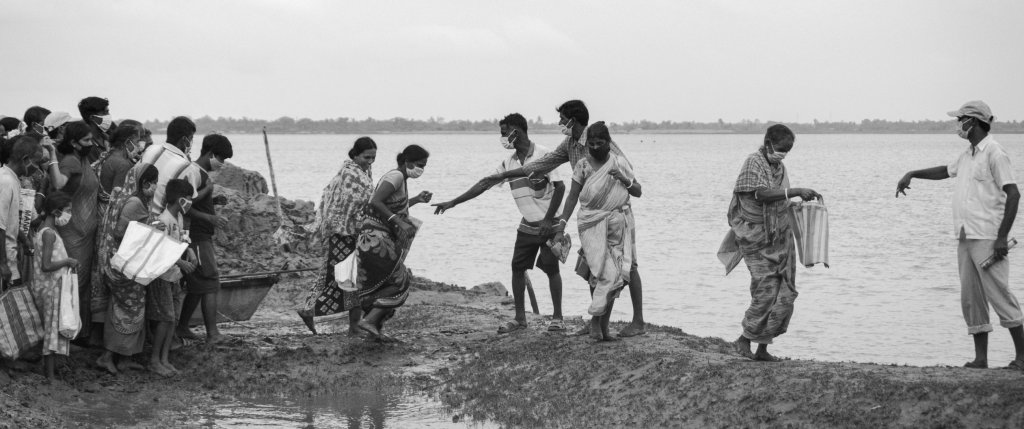
- Project Type: Personal Project
- Location: Kumirmari
- Year: 2021
- Tools Used: Adobe Premiere Pro, Adobe Lightroom Classic, Canon 1500D.
A photo story and video documenting a relief drive conducted in the island village of Kumirmari in the Sundarban delta in West Bengal. Even three weeks after Cyclone Yaas hit the eastern coast of India in late May 2021, villages like this one remained helpless and homeless, with little to no aid and relief having made its way there. I was part of a team from Chinmaya Mission, Kolkata, that conducted this relief drive on the 15th of June, 2021. Apart from assisting with the relief effort, I was tasked with documenting the drive and the conditions in Kumirmari.
A video I made from the stills and footage taken throughout the relief drive.
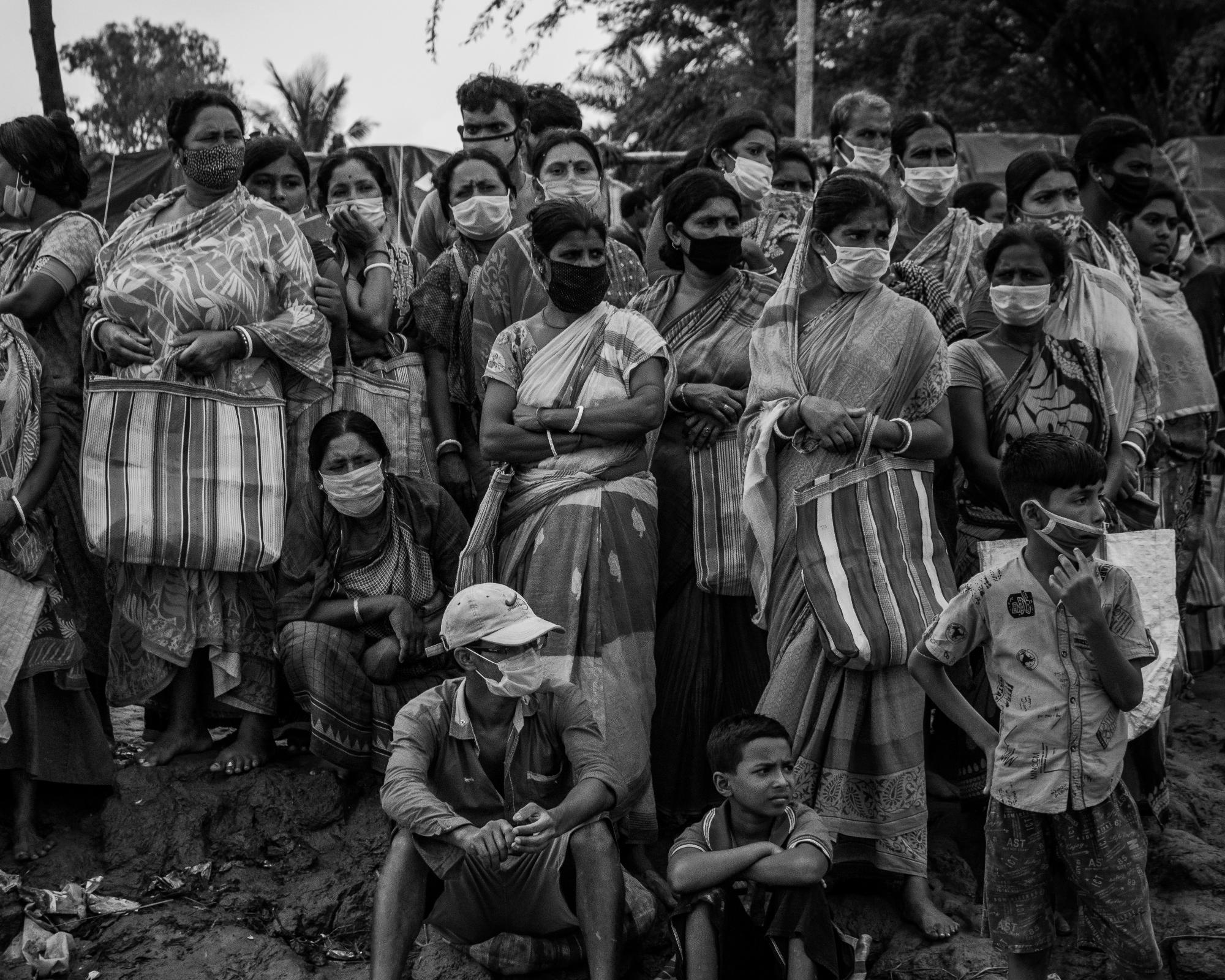
The people of Kumirmari waiting at the river bank.
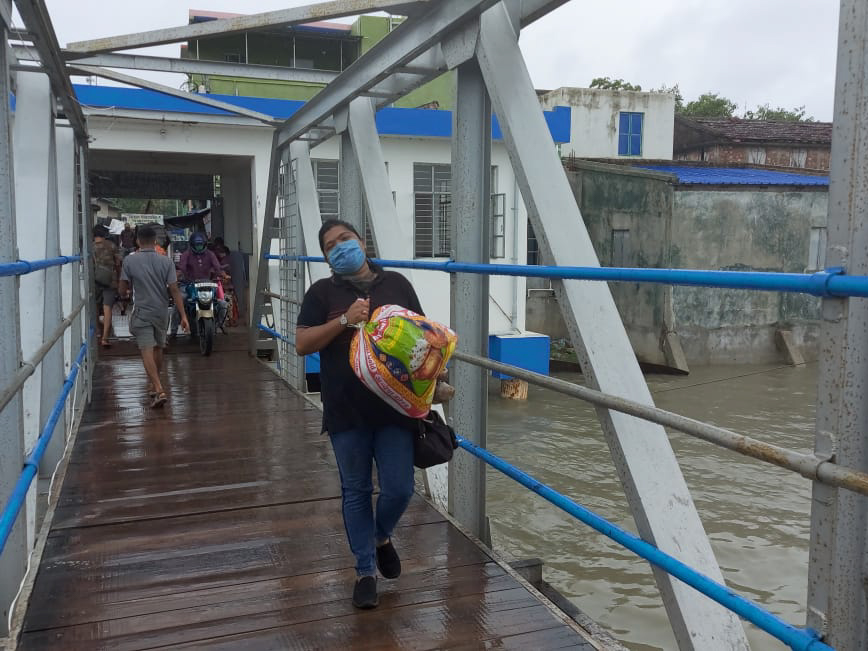
The journey to Kumirmari consisted of a 64 kilometer drive from Kolkata to the town of Nazat, on the bank of the Betni river. This was the first leg of the journey. The second leg of the journey was a two and a half hour boat ride to Kumirmari.
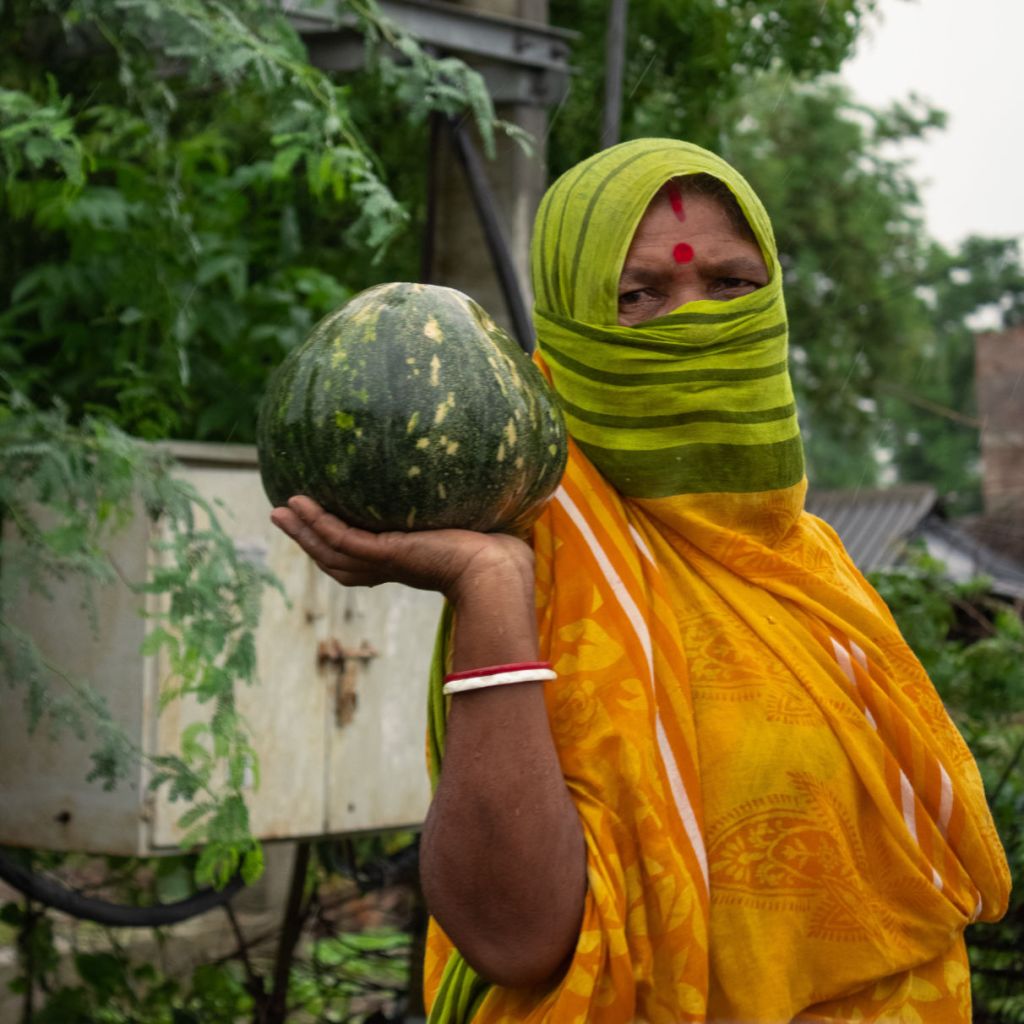
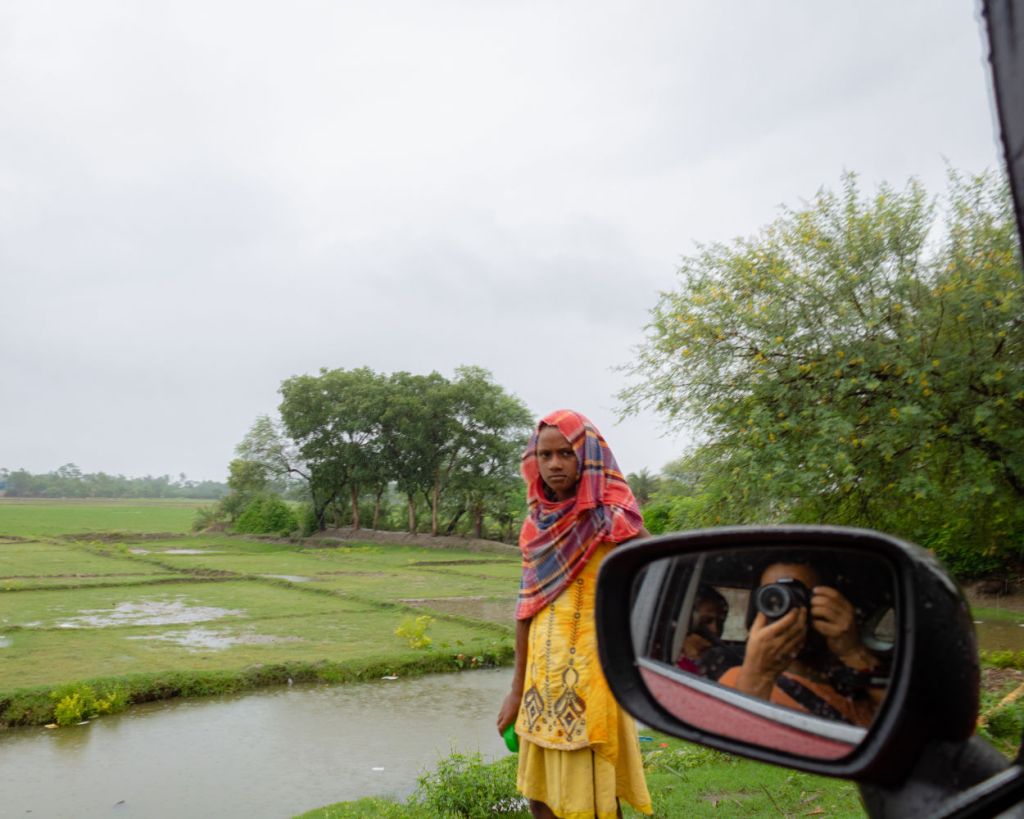
En route to Nazat.
We started from Kolkata at 7:15 AM. The drive to Nazat took us about three hours, with a breakfast stop. One of the trucks carrying the relief material had broken down on the way, so we were delayed at Nazat for a while. We had lunch at a guest house there, the owner of which was providing free meals to everyone providing relief to the villages affected by the cyclone. Some moments I captured in Nazat are shown in the slideshow below.
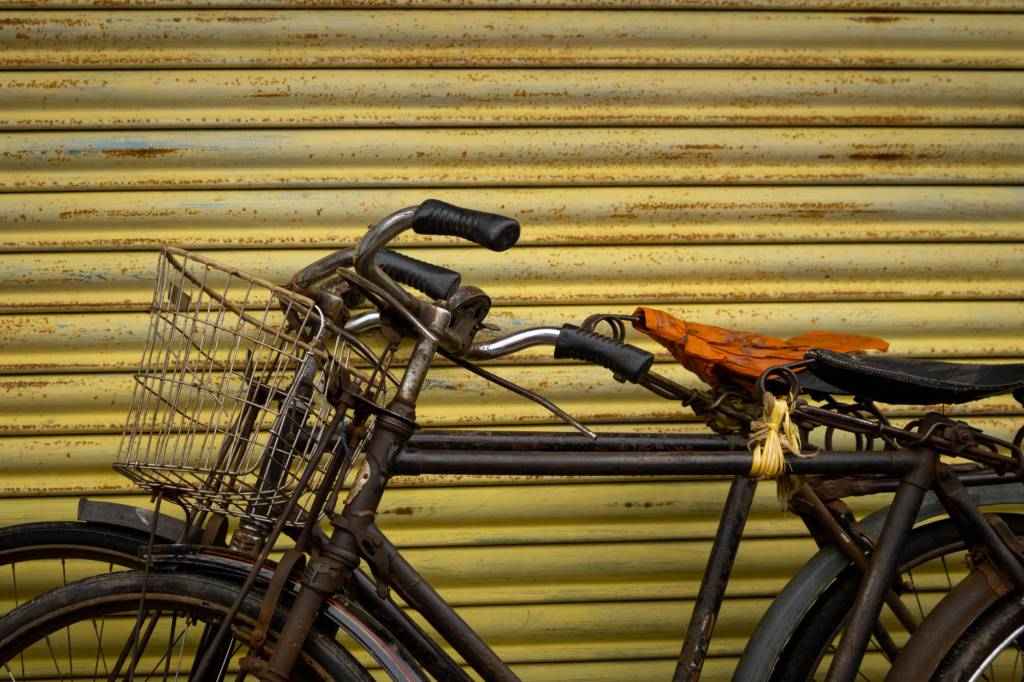
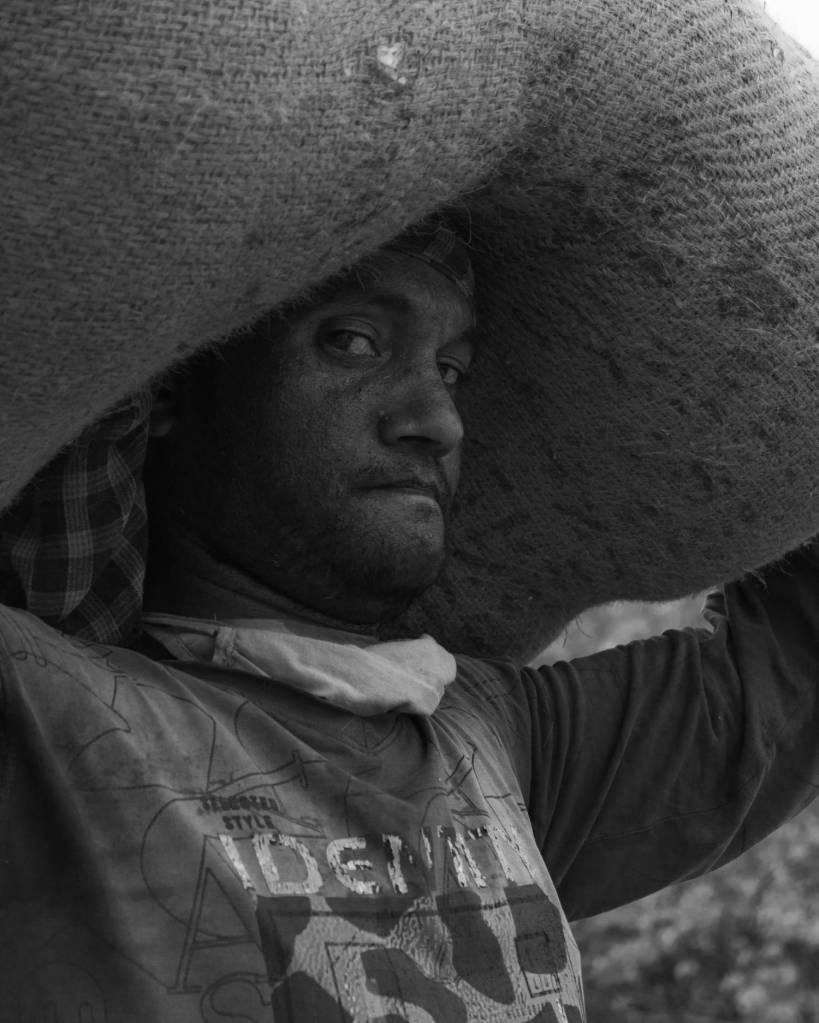
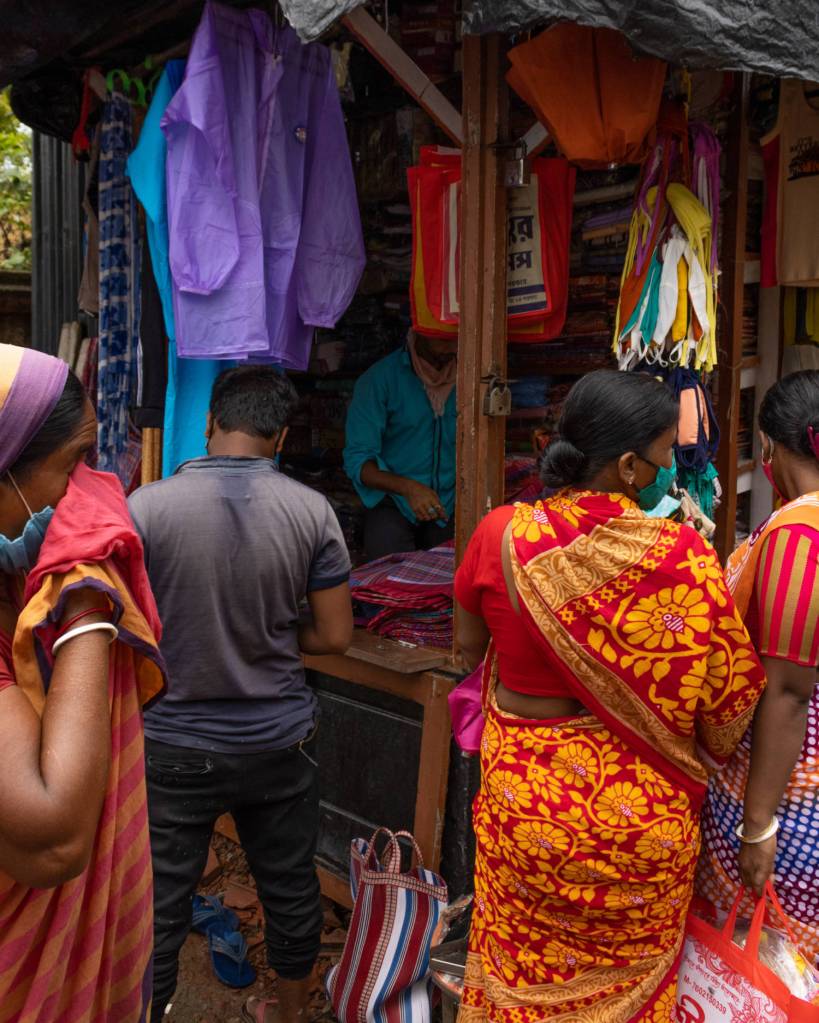

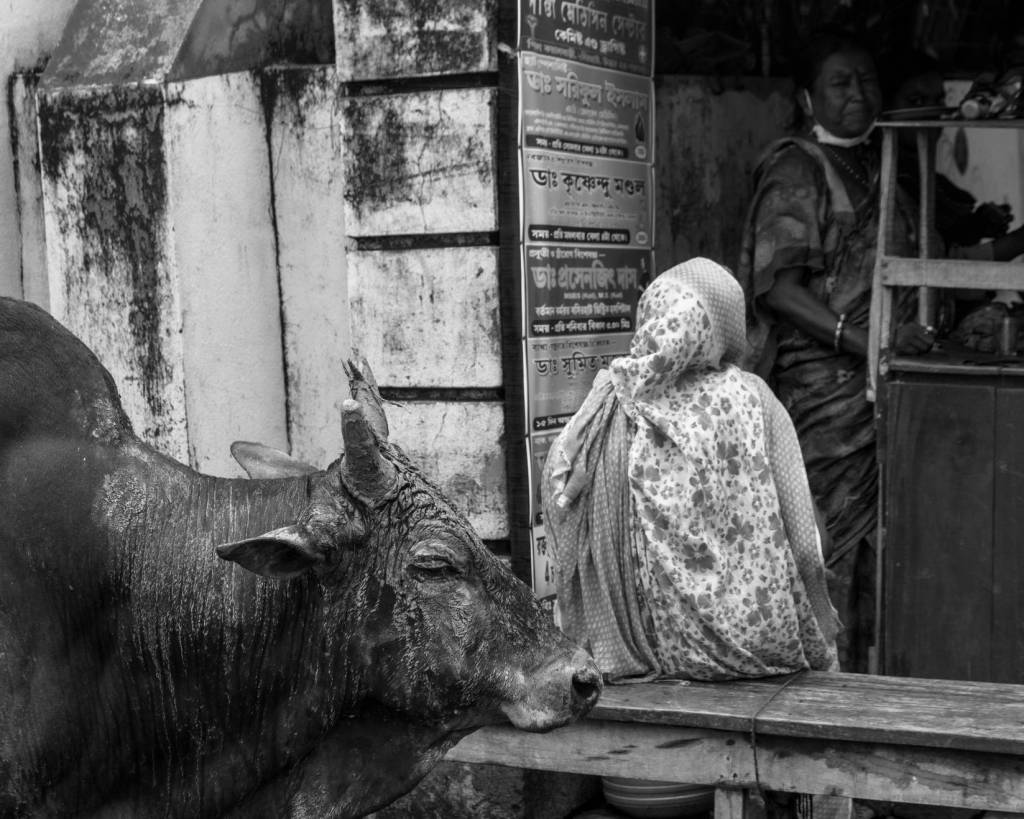
Some moments captured in Nazat.
Once all the relief material arrived, we loaded it onto the boat which would take us to Kumirmari. The boat was smaller than we thought it would be and at certain points during the journey it felt like it might capsize with the weight of us all, but fortunately enough it held itself up admirably and we arrived on site safe and dry.


Loading the relief material onto the boat that would take us to Kumirmari.

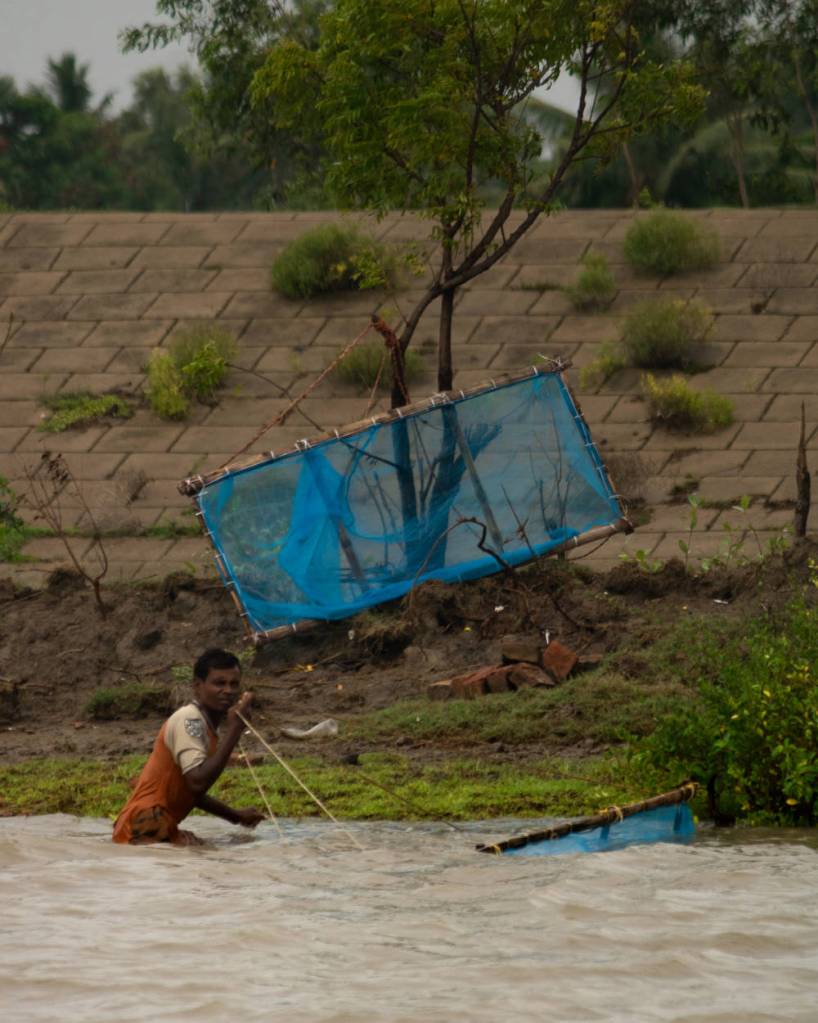
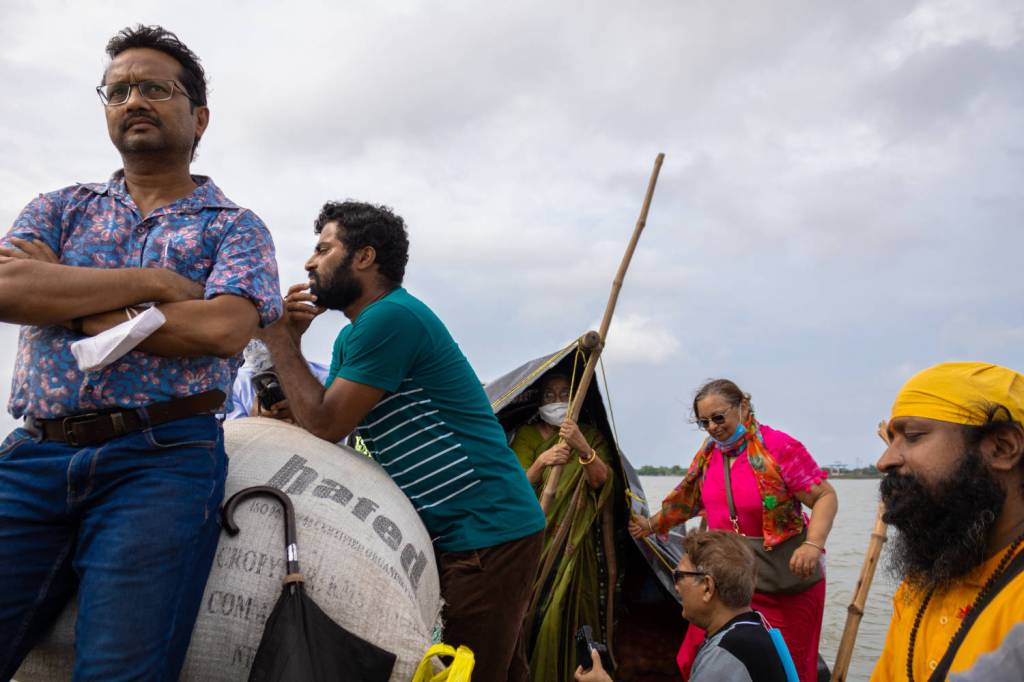
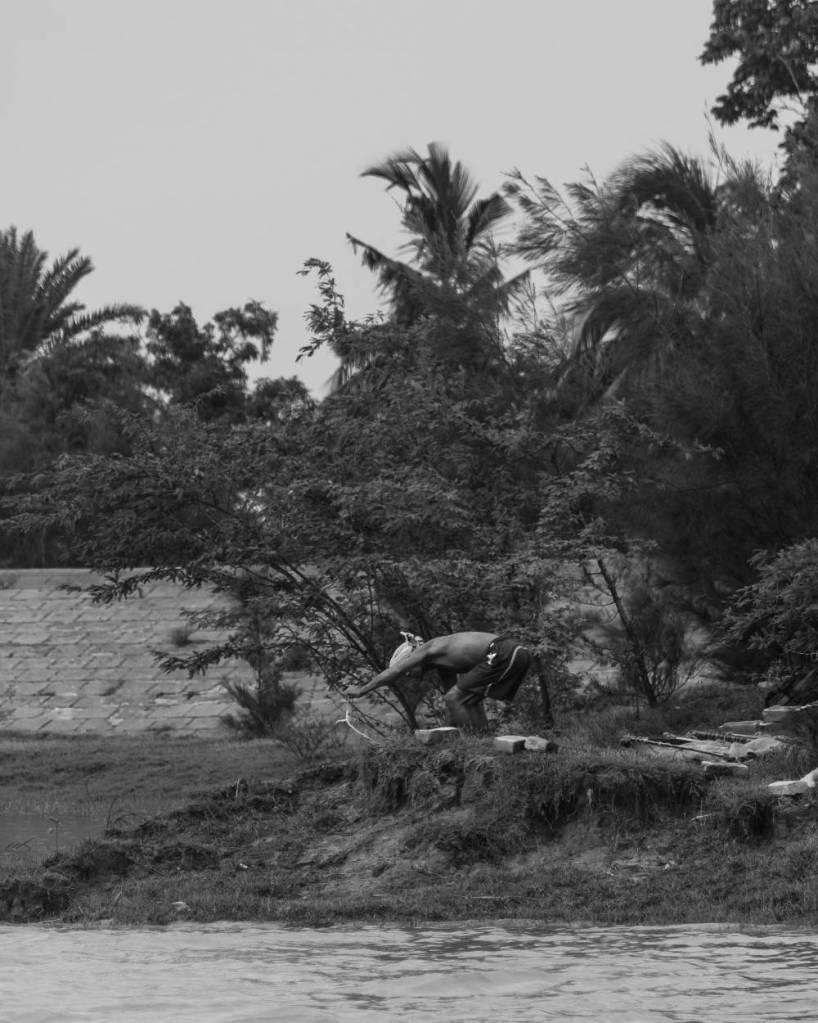
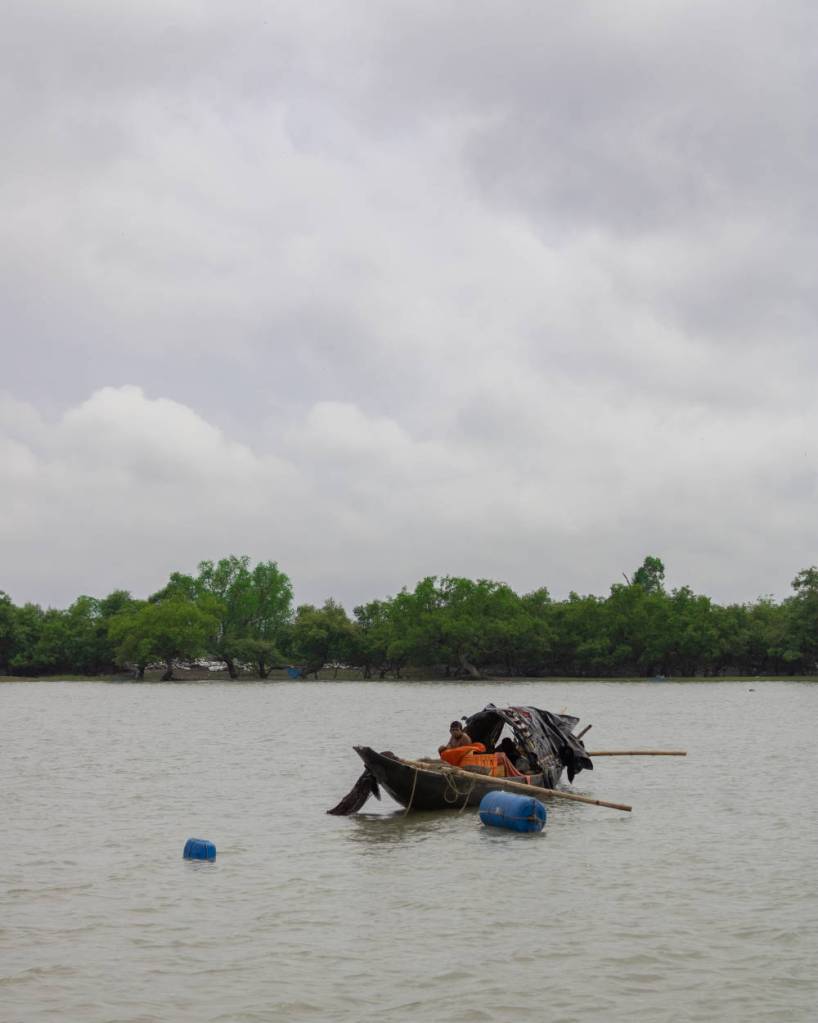
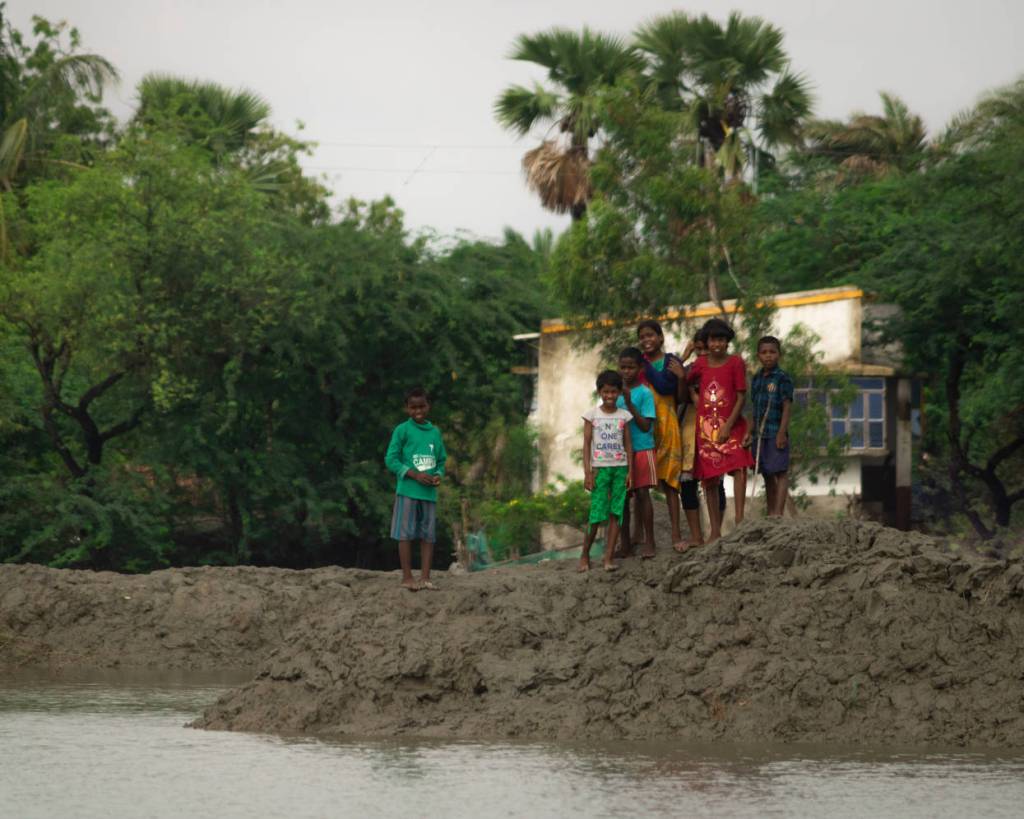
Scenes from the boat.
We reached 4:30 PM, at least two hours later than we should have. Nonetheless, we had arrived and we had to do what we had come all this way to do. As we approached the bank of the island, we saw what looked like the entire population of the island waiting for us there. Only god knows how long they had been waiting there.
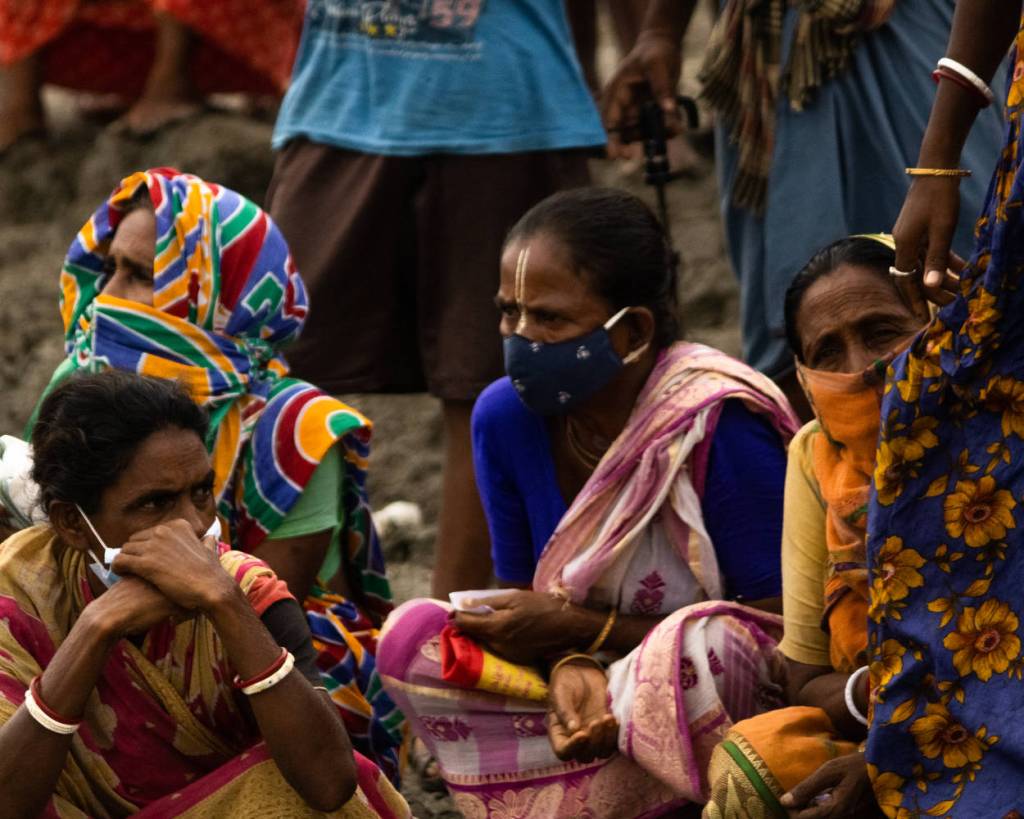
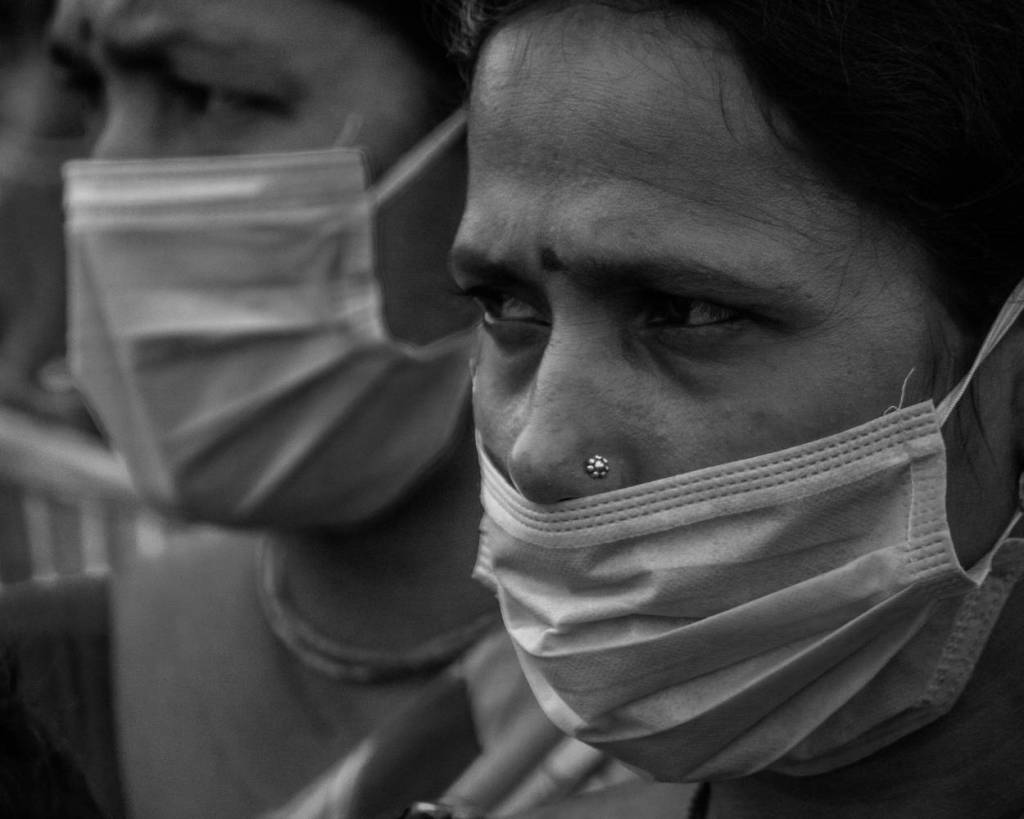

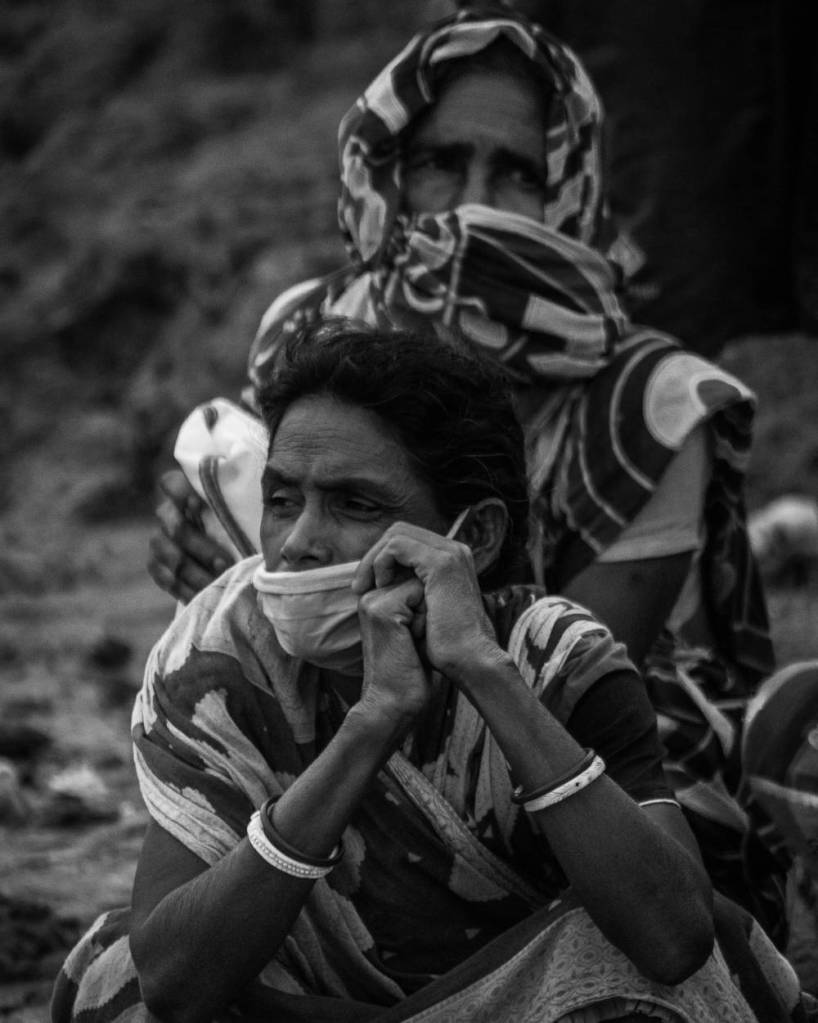
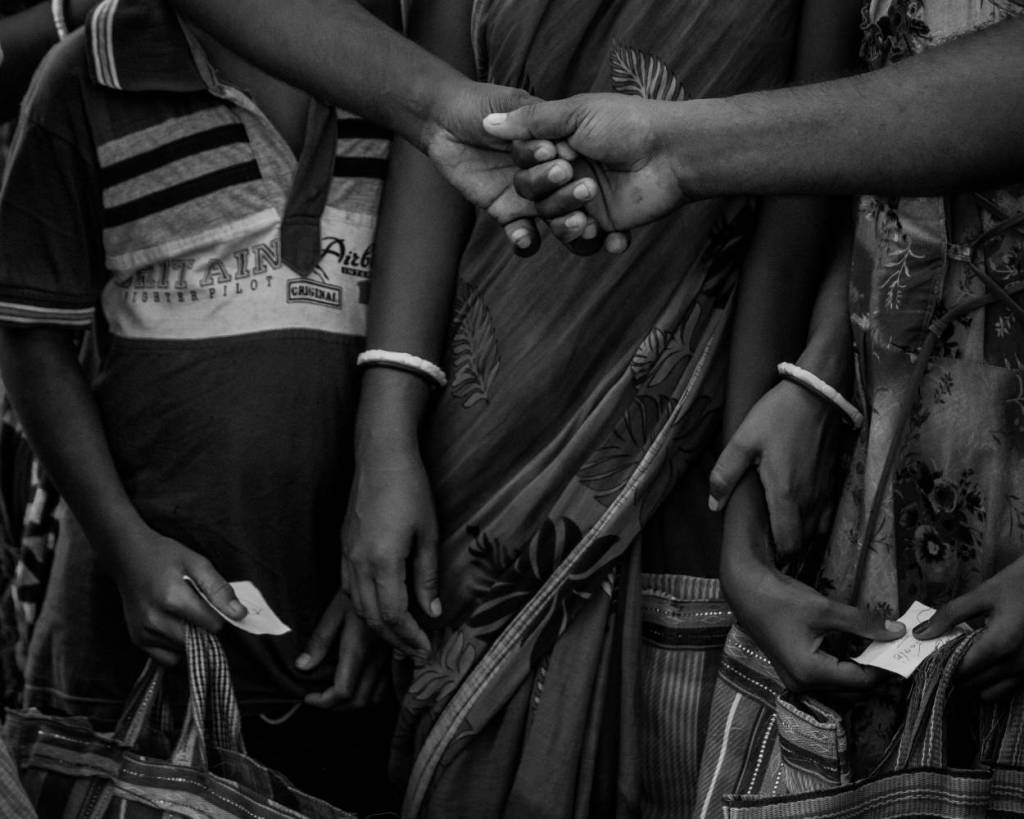
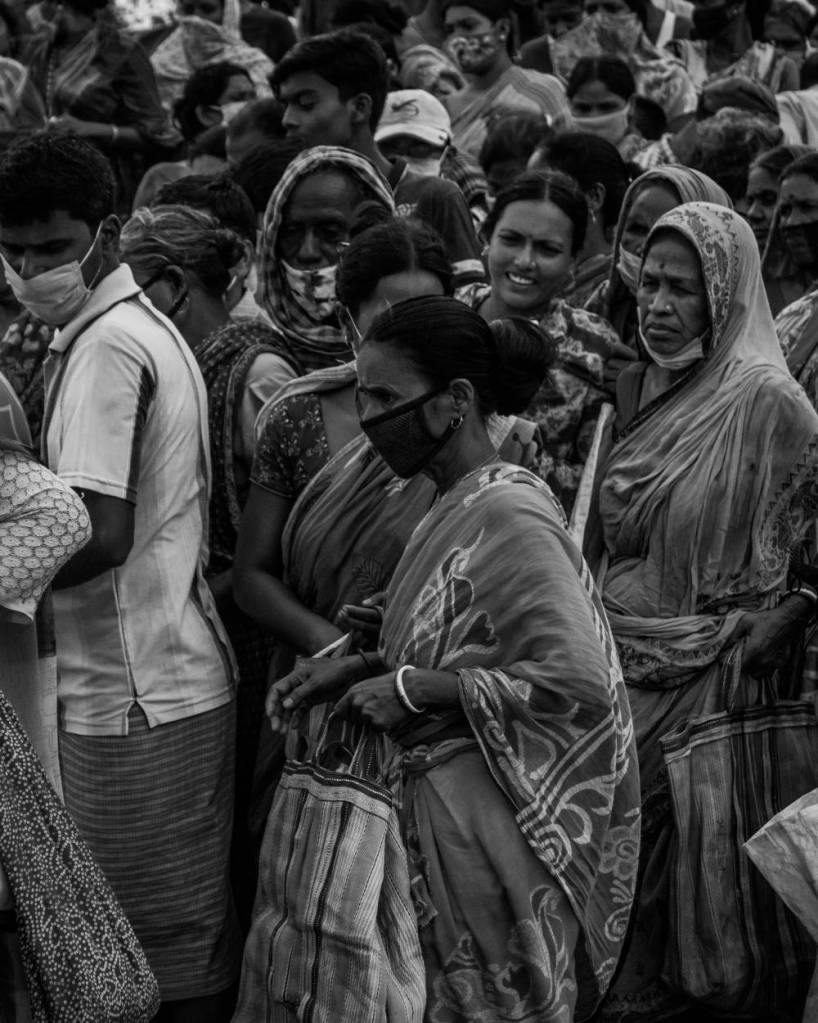
At the banks, people waiting for the relief drive to begin.
Packets of relief material which included basic foodstuffs like rice, dal, biscuits, chidwa, sattu, muri, aloo (potatoes), pyaaz (onions) and baby food were given to the people along with other items required for daily use like utensils, clothes, soap, sanitary napkins. Tarpaulin was also given to the people to provide some protection from rain in the tents that they had set up along the bank of the river, as their actual homes had been flooded in and destroyed by the cyclone.
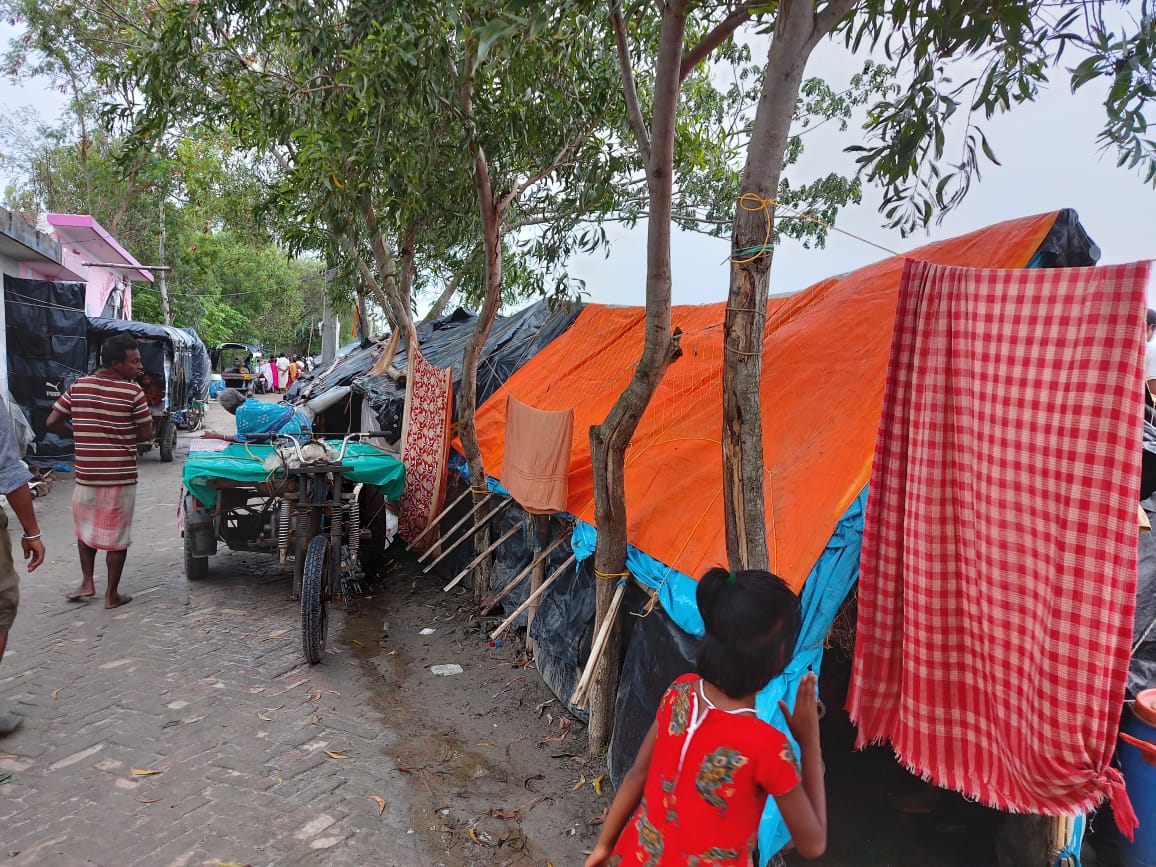
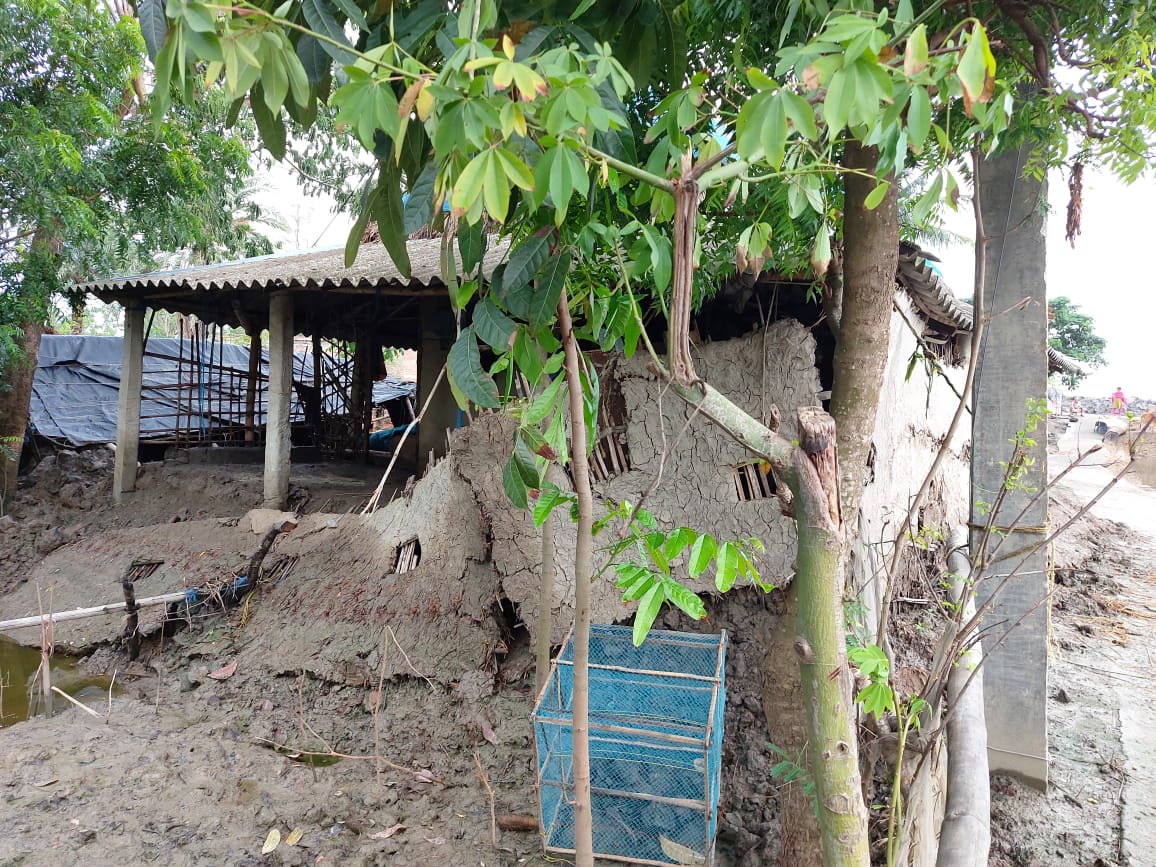
The residents’ temporary shelters.
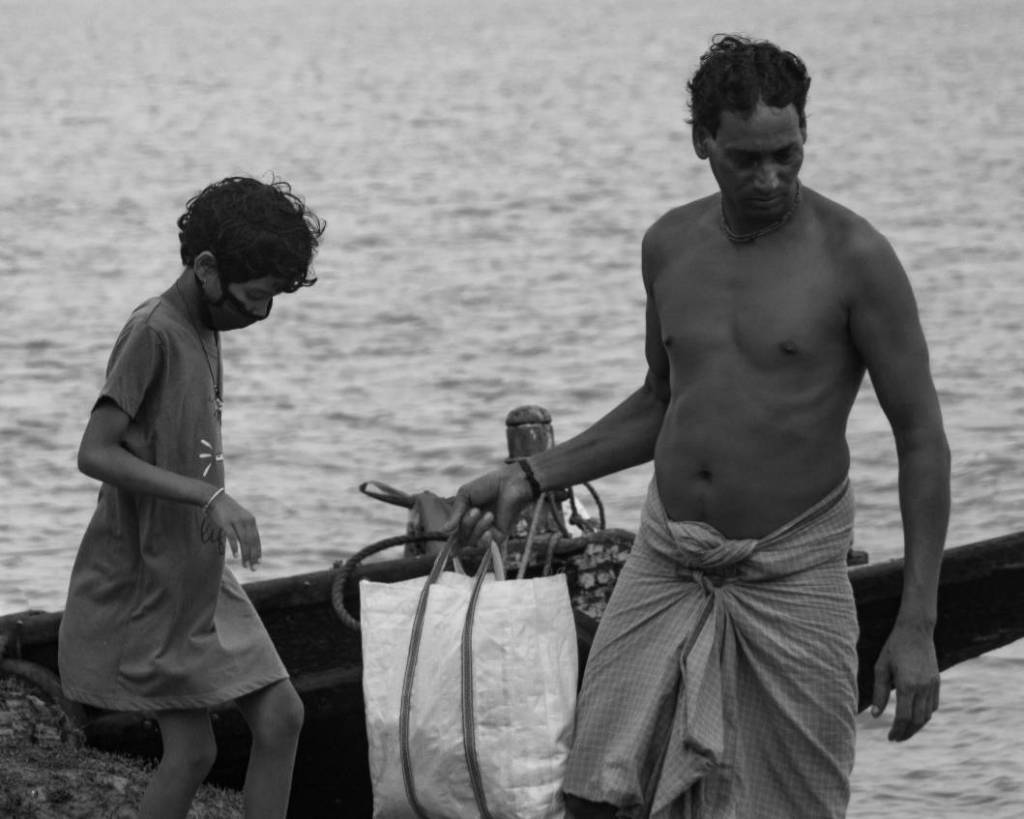
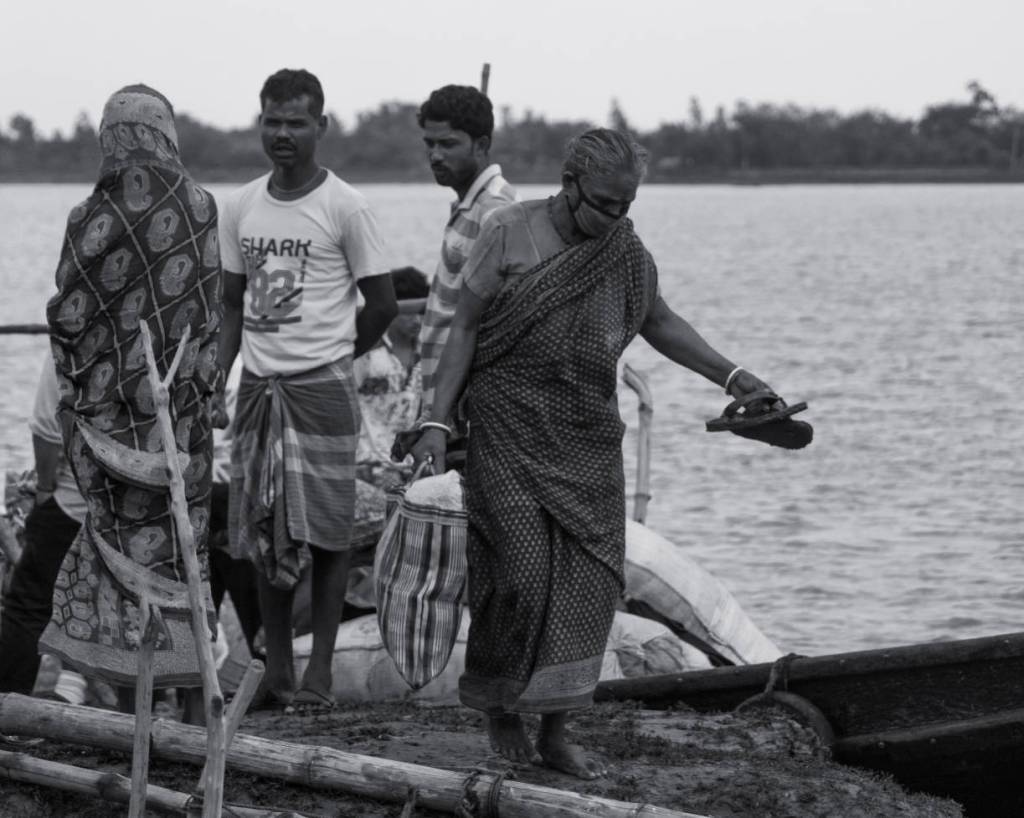
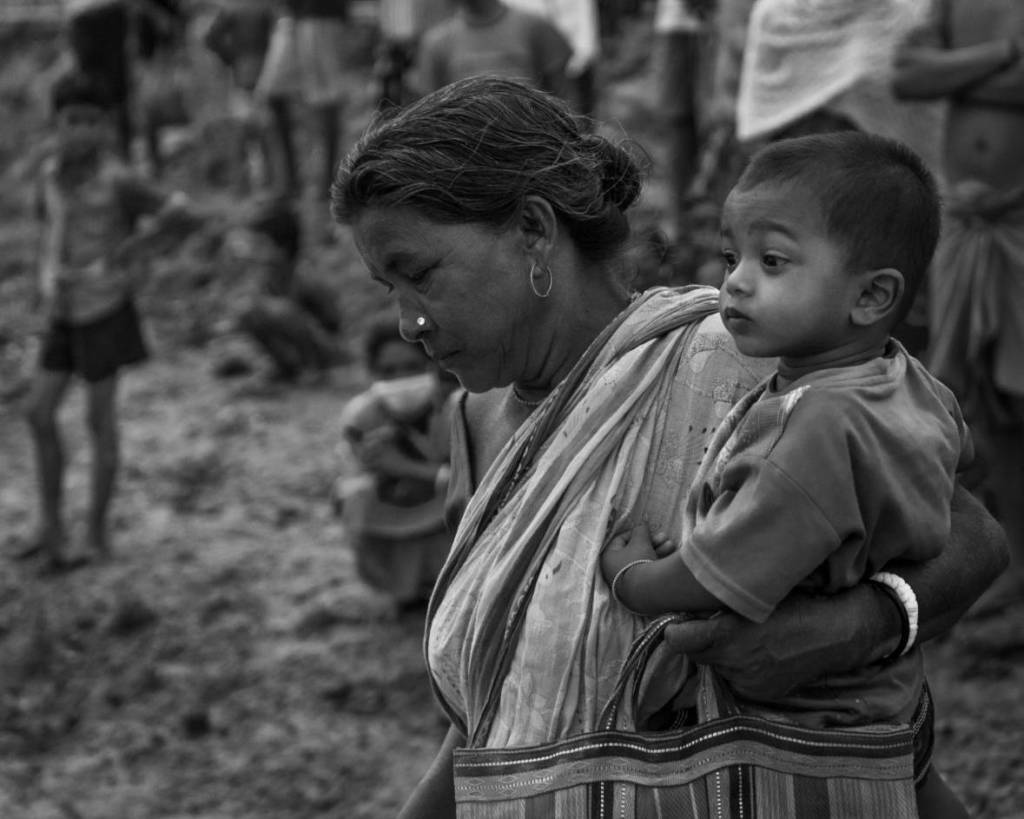
The residents going up to the boat to collect the relief material.
A medical camp was also conducted (shown below) where people’s heart rates, oxygen levels, blood sugar and so on were checked. Those who required it were given consultation and prescribed medicines. They were given electrolyte supplements as well.
Most health problems were cases of malnutrition and gastric issues. These arose from food that was low in nutrition. This led to the aforementioned health issues, low bone densities in the residents and even babies being born underweight.

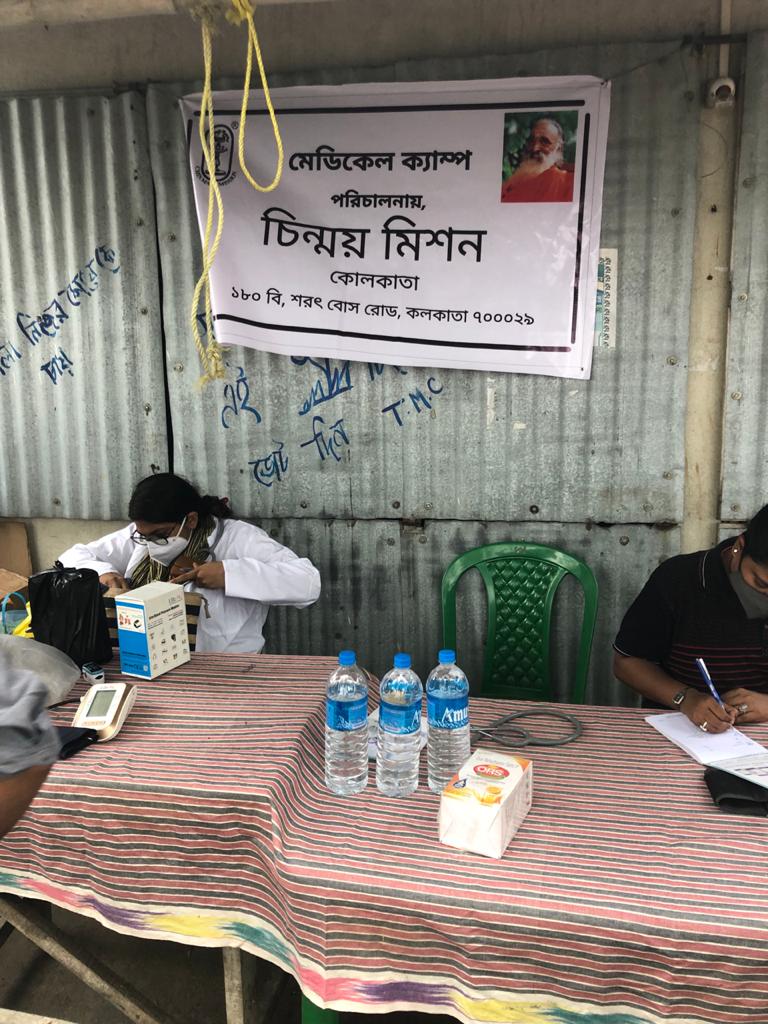
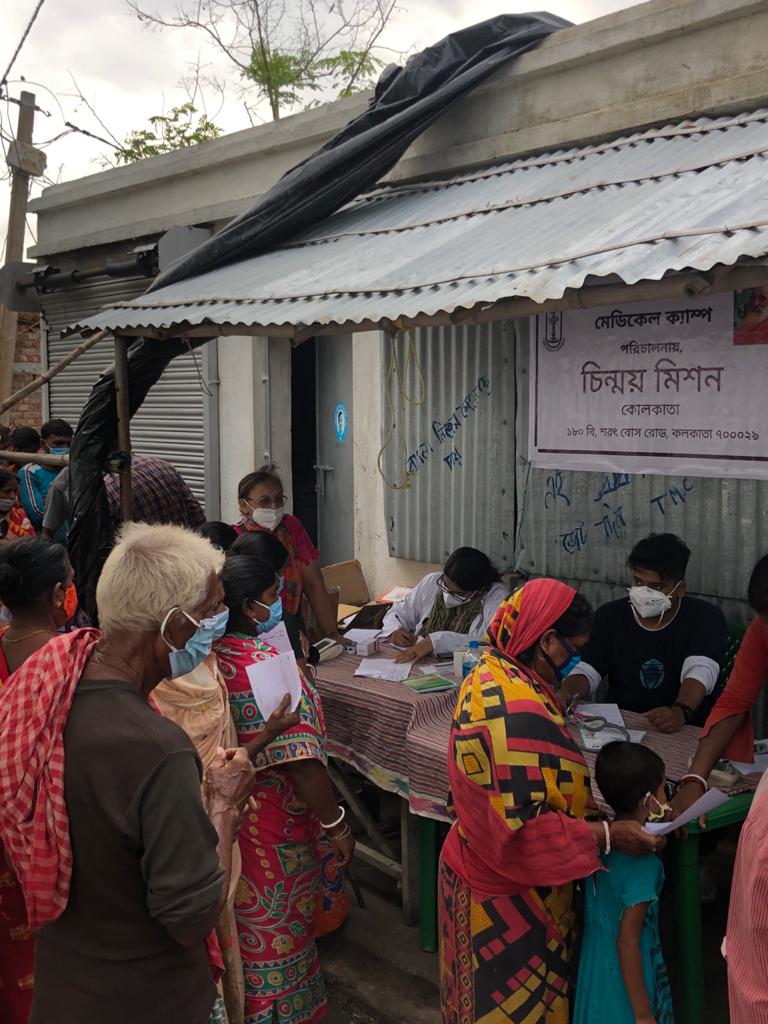
The medical camp setup for the residents.

A little girl looks on at the relief drive being conducted.

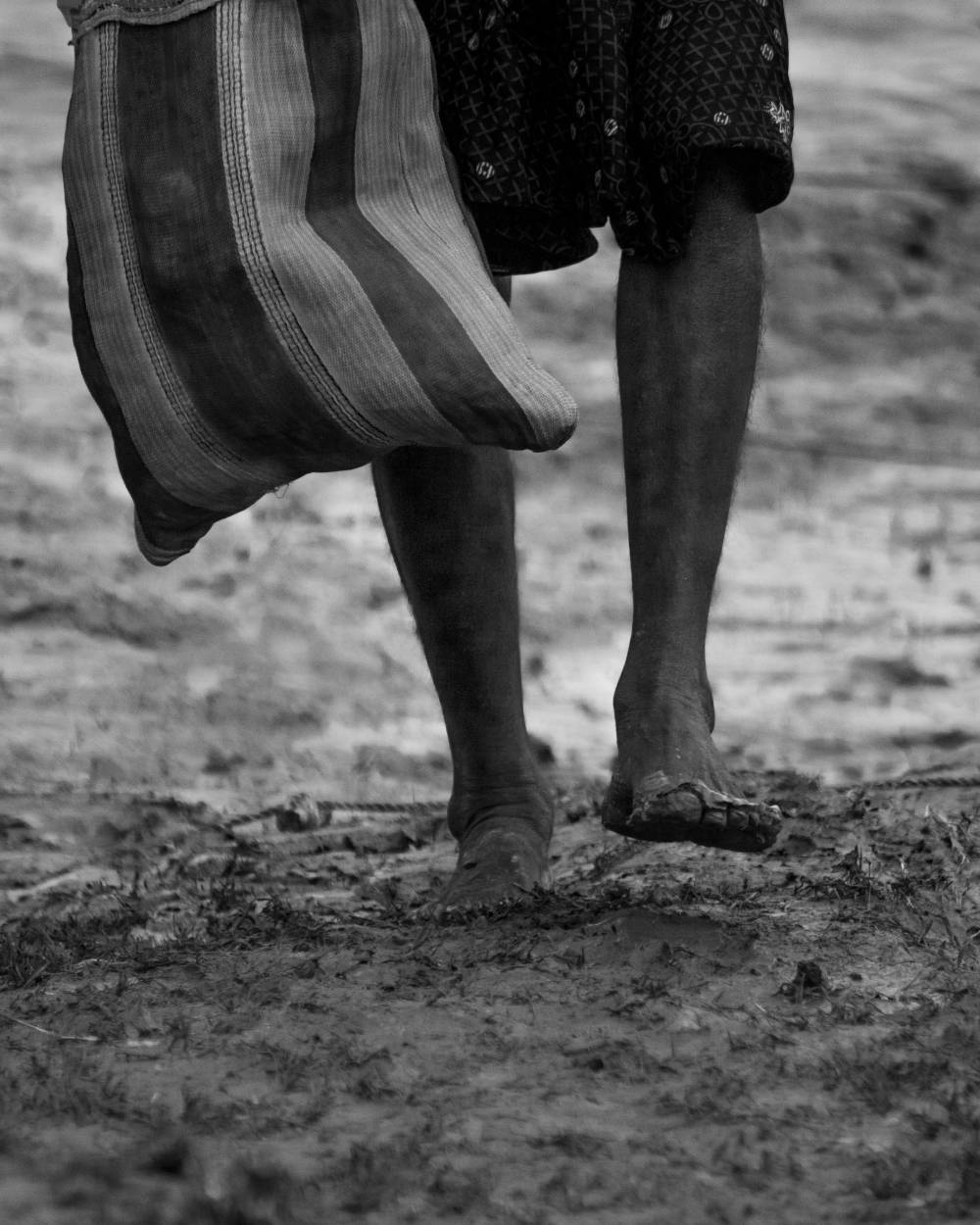

A man collects his relief material and makes his way back home.
On top of all these difficulties, this was most likely not a one-off. Cyclone Yaas was the second in two years, the first being Cyclone Amphan in May 2020, and there are high chances of this being a regular issue for the residents of villages like these in the Sundarbans. Their houses are destroyed, material possessions lost, fields left inundated due to the saline water that floods them, leaving them unable to cultivate the land for at least three years, seen below.

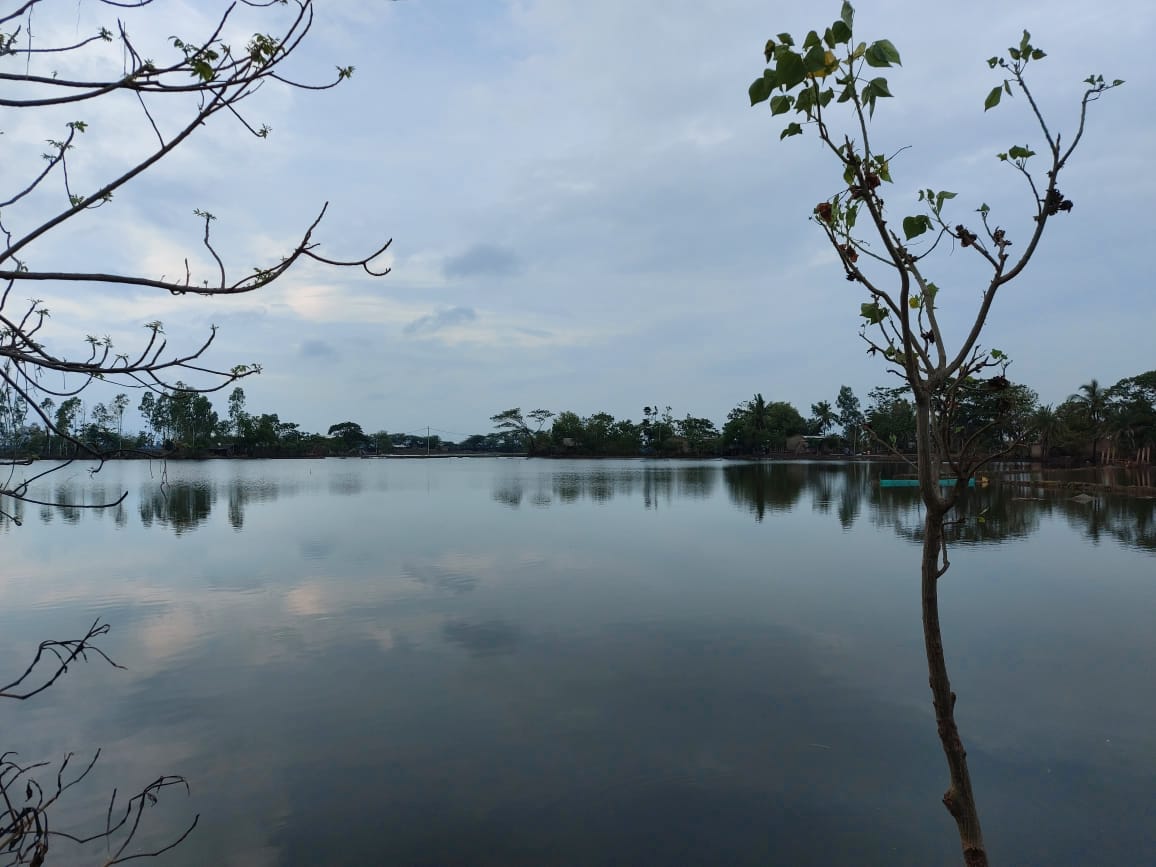
The flooded fields.
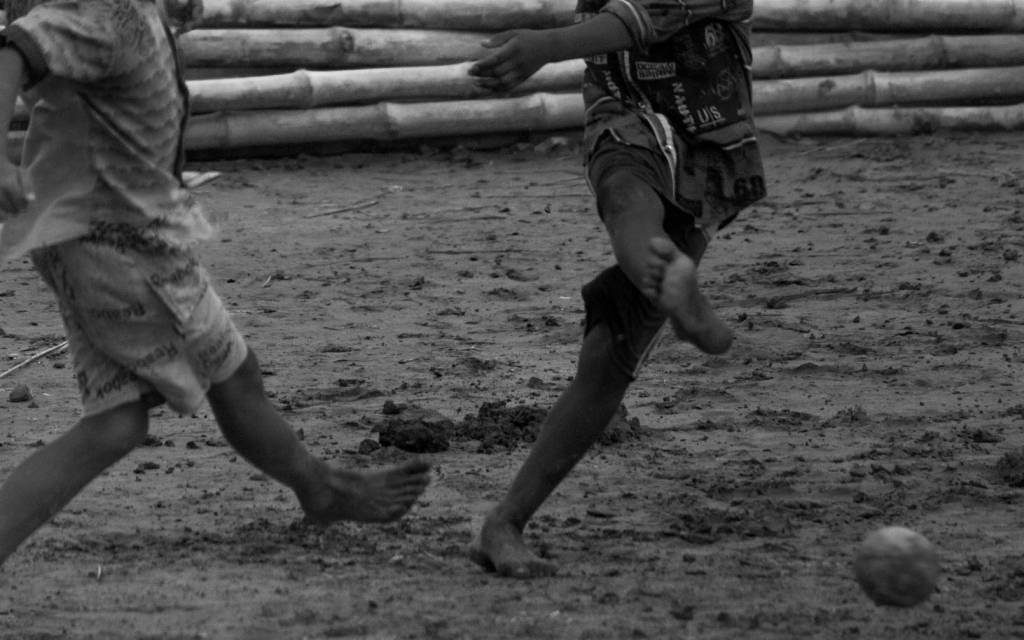
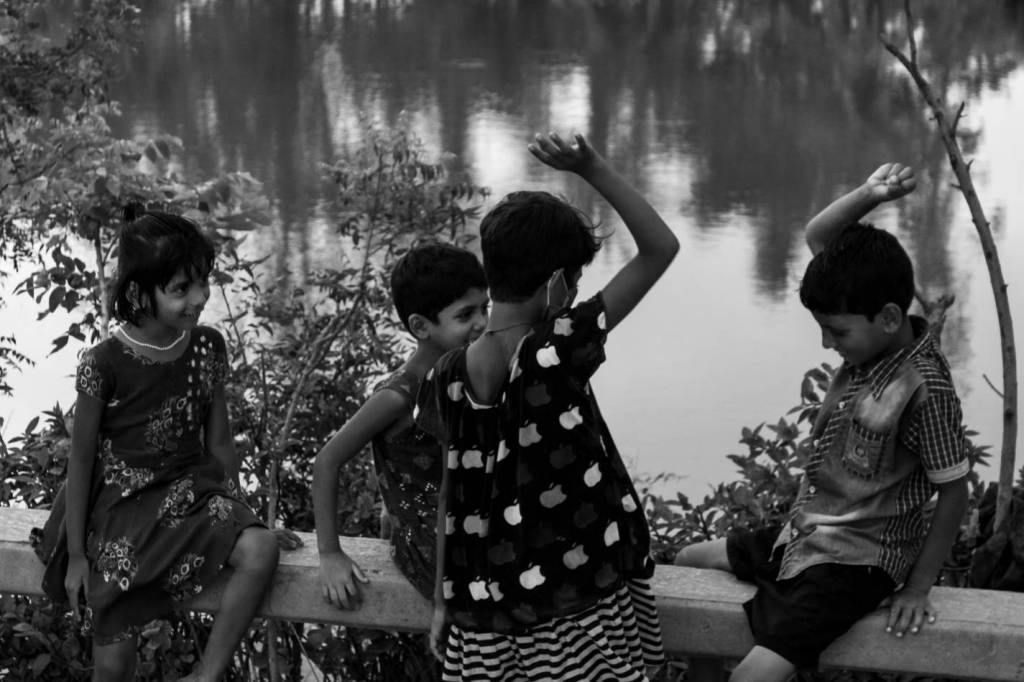
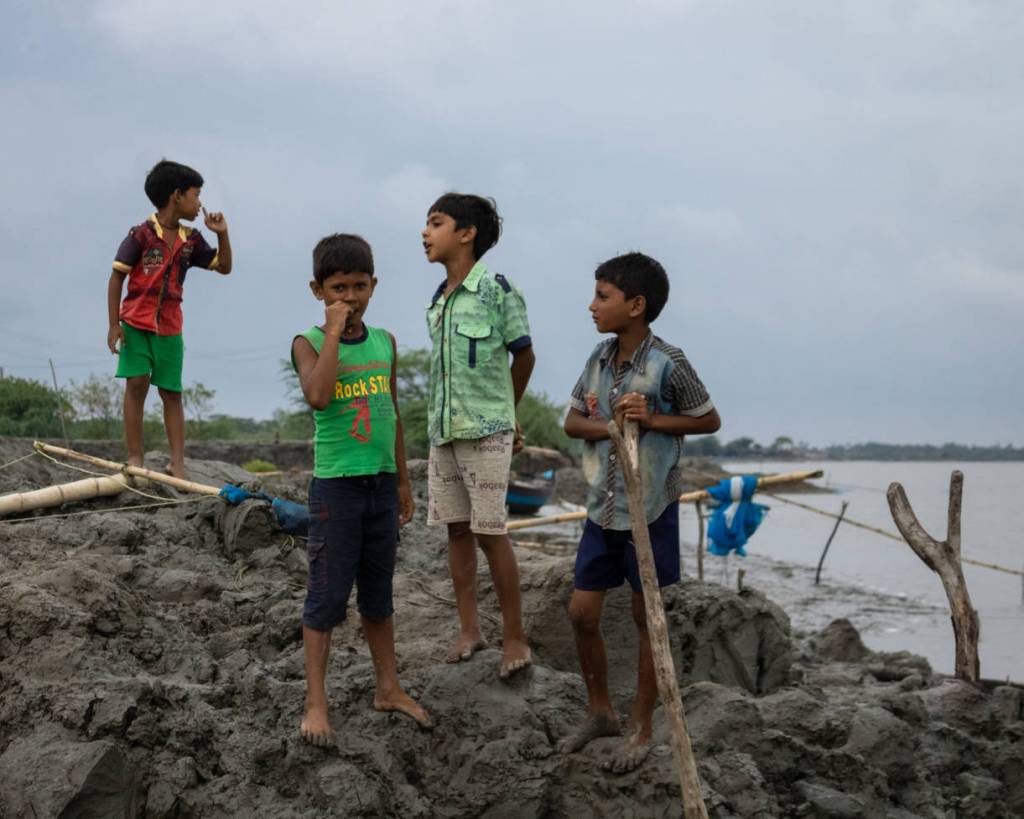
The children of Kumirmari playing among themselves.
Despite being faced with these immense difficulties, it seemed like the residents of Kumirmari had a positive outlook and were hopeful about what lay ahead of them. For some of the most resilient people we have ever seen, life would find a way to move on and work out for the better.
There is so much to be learn from the people of Kumirmari, and I would like to think that we came away having learnt something, and having put a smile on at least one person’s face.
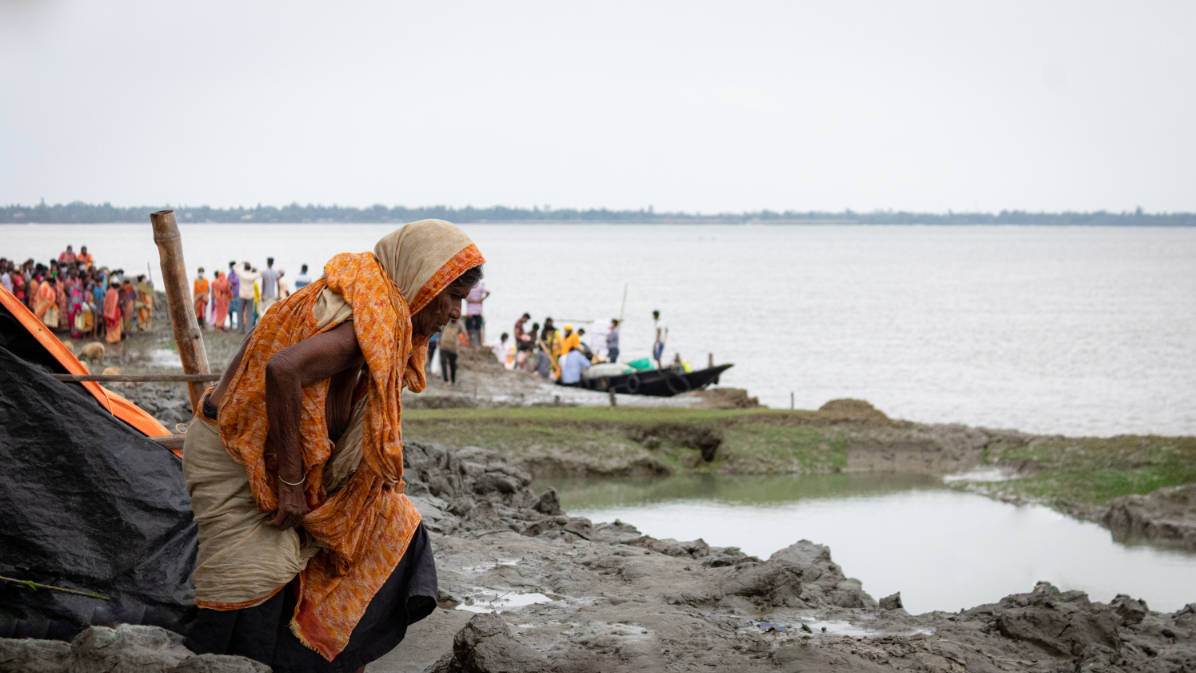
One of the elderly residents of Kumirmari.
 Ved Murarka